




Blog

A stone retrieval basket is one of the most frequently used consumables in endourology. It is a slim, flexible device with a collapsible wire cage that is passed through a ureteroscope, opened beside a stone or fragment, closed around it and withdrawn. For hospital buyers and distributors, the choice looks simple on a price list, but small differences in wire design, diameter and handle mechanics change how the device behaves in theatre.
What a Stone Retrieval Basket Does in Ureteroscopy
During ureteroscopy, the surgeon locates a stone, fragments it if needed, and then removes the pieces. A basket is the tool that grips and extracts them. The cage sits inside a thin sheath, and a handle at the proximal end lets the operator advance the cage out of the sheath to open it, or pull it back in to close it.
The same device may also be used to reposition a stone away from a narrow segment, or to hold a fragment steady while another instrument works. Because it is introduced through the working channel, it has to be slim enough to leave room for irrigation and stiff enough to be controlled precisely.
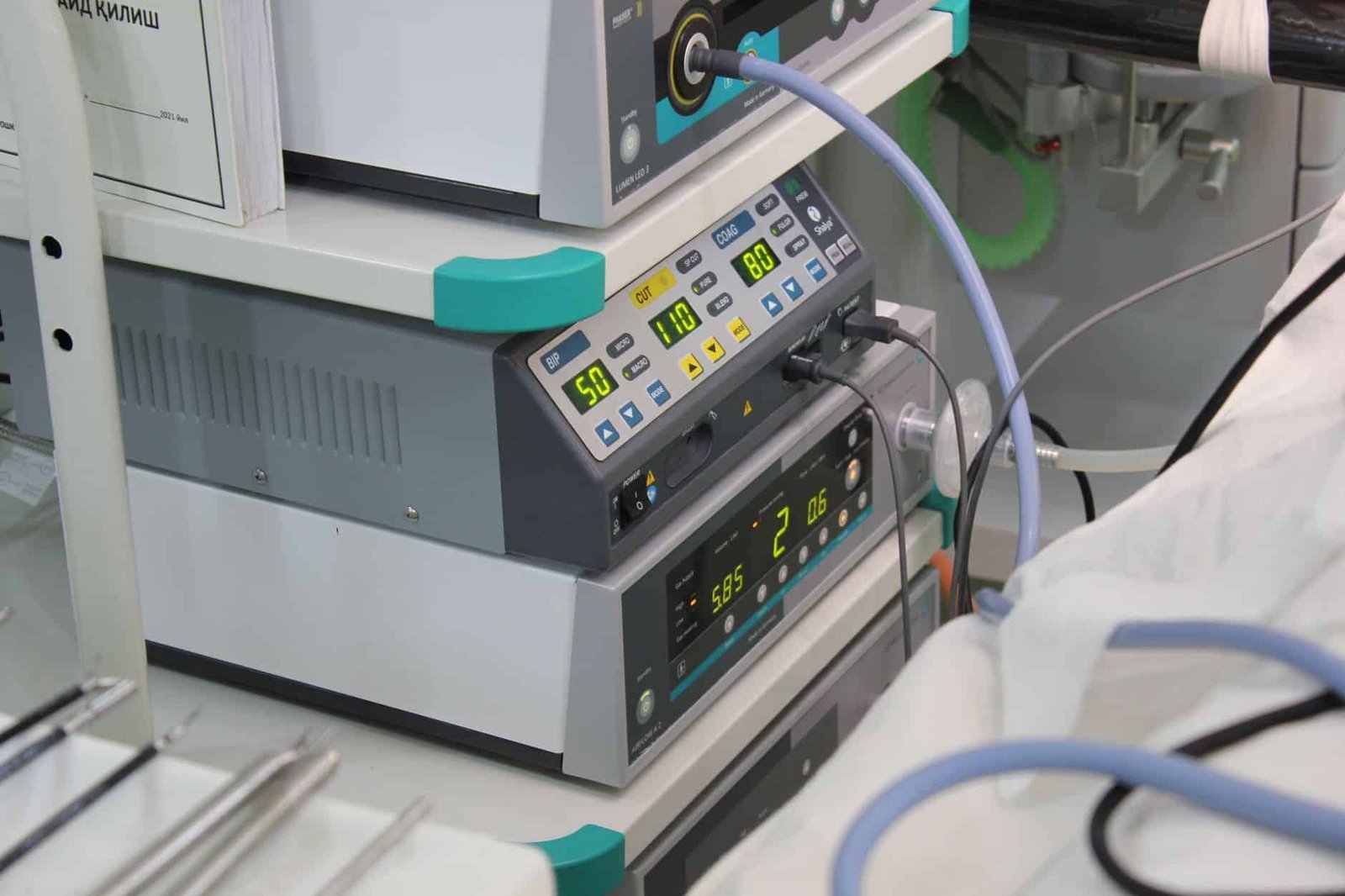
Helical, Flat-Wire and Tipless Basket Designs Compared
Most baskets are made from nitinol, a nickel-titanium alloy that returns to its shape after bending. The cage geometry is where models differ.
- Helical (spiral) cages twist around the central axis, which helps the basket wrap around a stone and is often chosen for stones that sit in the ureter.
- Flat-wire or parachute-style cages open in a wider, more uniform shape and are used to scoop and hold fragments.
- Tipless (zero-tip) designs have no exposed distal tip, so there is less risk of the end of the device touching the urothelium or a calyceal wall.
- Fixed-tip designs offer a defined leading end that some users find helpful for navigation in tight anatomy.
No single design is best for every case. Hospitals typically stock two or three patterns so that clinicians can choose according to stone size, location and personal preference.
Sizes, Wire Counts and Working Channel Fit
Basket size is described by the shaft diameter in French (Fr) and the working length in centimetres. The device must pass through the ureteroscope working channel without binding, so compatibility with the scope in use should be confirmed before any purchase. Wire count and cage opening width also matter, because they influence how large a fragment the basket can hold.
| Specification | Typical range | Why it matters |
|---|---|---|
| Shaft diameter | Commonly about 1.9 to 3.0 Fr | Must fit the scope channel and leave room for irrigation |
| Working length | Commonly 90 to 120 cm | Must reach past the scope tip with the handle accessible |
| Cage opening | Varies by model, often 7 to 15 mm | Sets the largest fragment the cage can capture |
| Wire count | Often 3 or 4 wires | Affects grip, stiffness and how easily stones are released |
Treat the figures above as general ranges rather than fixed standards, since each manufacturer publishes its own specification sheet. Larger-bore baskets used in percutaneous procedures are a separate category and should not be confused with ureteroscopic models.
Handle, Sheath and Material Details That Matter
The cage gets most of the attention, but the rest of the device decides how it feels in use. A smooth, well-balanced handle allows controlled opening and closing with one hand. The sheath should resist kinking while staying flexible enough to follow a deflected scope. Many models include a release or emergency mechanism that lets the operator detach the cage if a large stone becomes impacted, which is a feature worth asking about.
Coatings and polished wire surfaces reduce friction inside the channel, and radiopaque or visible markings help users judge how far the cage has been deployed. Packaging also counts: a sterile pouch with clear labelling, lot numbers and expiry dates makes receiving and storage far easier for hospital stores.
Quality Checks Before You Place a Stone Basket Order
For purchasing teams, a short checklist avoids most problems. Ask each supplier for the following before approving a model:
- Regulatory documents such as ISO 13485 certification, CE marking and, for India, the relevant CDSCO registration.
- A specification sheet listing shaft diameter, working length, cage opening and wire count for every variant.
- Sterilisation method, shelf life and batch traceability on every pack.
- Samples for clinical evaluation, so surgeons can test handle feel and cage behaviour on their own scopes.
- Lead times, minimum order quantities and the supplier’s ability to supply the same model consistently over several orders.
If your range of stone retrieval basket models needs to cover different scope sizes, you can browse our stone retrieval basket range and compare variants side by side. Baskets are usually bought alongside other endourology consumables, so it also helps to review the wider urology medical devices catalogue when planning a combined order.
Distributors serving several hospitals should also think about stock variety. Keeping a small set of the most requested diameters and cage styles covers the majority of demand, while a supplier that offers private labelling or custom packaging can help you build a distinct product line in your market.
This article is general product information for buyers and is not medical advice. Clinical selection of any device remains the responsibility of the treating surgeon.
Stone Retrieval Basket FAQs
Are stone retrieval baskets single-use?
Most ureteroscopic baskets are supplied sterile and intended for single use. Always follow the instructions for use supplied with the specific model.
What is the advantage of a tipless basket?
A tipless design has no exposed distal tip, which reduces the chance of the end of the device contacting tissue while the cage is being positioned.
How do I know a basket will fit my ureteroscope?
Compare the basket shaft diameter with the working channel size listed by the scope manufacturer, and request a sample to test before ordering in volume.
Can baskets be supplied under a private label?
Many manufacturers offer OEM supply with custom packaging and labelling. Confirm minimum quantities and regulatory responsibilities with the supplier before agreeing.